
Isolating, Together
How two women in Europe coped with lockdown.


We've all seen the footage; Italians singing from their balconies, the Spanish clapping their health care workers on rooftops, once bustling streets deserted from Delhi to New York.
Around the world, nearly everyone has undergone some form of lockdown. We've never been more physically cut off from each other, while also finding solidarity in our shared experiences of isolation.
Lotte Schack in Copenhagen and Madeline Dyer in London have never met, but they are sharing many of the same feelings and hopes for the future.
Copenhagen, Denmark


Lotte Shack.
Lotte Shack.
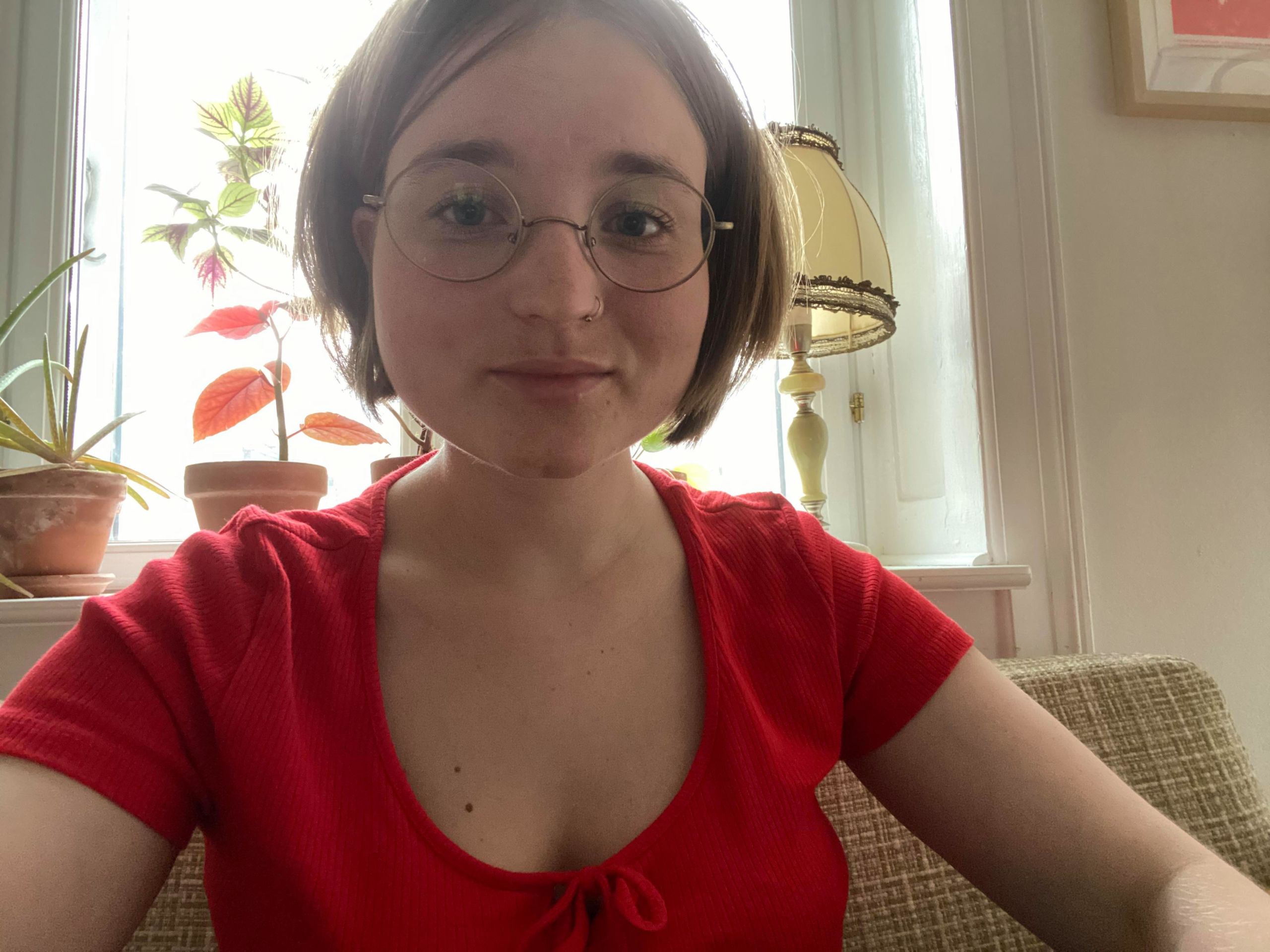
Lotte Shack lives in a cosy flat in Copenhagen, Denmark. When I spoke to her, it was the day after Anzac Day in Australia - a middle of Autumn kind of day - when families get out their leaf blowers or take children wrapped in scarves and gloves to the park.
But, of course, we were in the middle of a pandemic, so nobody was going anywhere.
She laughed at me when I told her about all the families who had gathered on their porches at dawn in honour of the soldiers, in lieu of the usual service. “That is so Australian” she pronounced.
Back then, Denmark had almost 8000 cases and was two months into the pandemic, but Lotte felt the count was unreliable.
In those days, you couldn’t get tested in Denmark unless you were admitted to the hospital, even if you were medical staff.
Lotte’s freedoms were small then, but enough. She couldn’t go to a restaurant, but she could still sit in the park, and see up to 10 friends outside, though certain places were banned, like popular sunbathing spots on the harbour.
And, in a bizarre twist, while everyone around her was losing their jobs - Lotte paradoxically found work as a result of the pandemic.
Lotte finished a Sociology Masters degree last September, but spent several months unemployed, working unpaid internships and promoting activist causes until she was hired as a research assistant at the University of Copenhagen.
The project looked at the ‘digitalisation of the everyday’ under coronavirus, how technology afforded new ways to interact with each other and our spaces.
But despite new work opportunities, it had been a difficult time for Lotte. Hell, its been a difficult time for all of us.
Taking the reigns of our interview, Lotte asked me how I was feeling, considering the ecological wreckage Australia witnessed over the summer period, the grief of it.
I told her about the result of the bushfires I saw firsthand, the forest of blackened trees all down the South Coast of New South Wales, how barren it was, how it felt like living in the future - apocalyptic.
It's been an anxious year for many.
Lotte usually lives alone, and her family live on the other side of the country, so, until a friend had to move back to Denmark and bunked in with Lotte, lockdown was an isolating and fearful time.
Having a roommate hugely improved Lotte’s mental state, but there is still so much trepidation tied up in the very nature of social distancing.
There is something distinctly unnatural about the inability to touch the ones we love, particularly when, in times of crisis, our natural inclination is to draw close to one another.
Lotte discovered how deeply ingrained hugging is.
The reason Lotte wanted to hug her friends was to hold them close, not as some novel gesture.

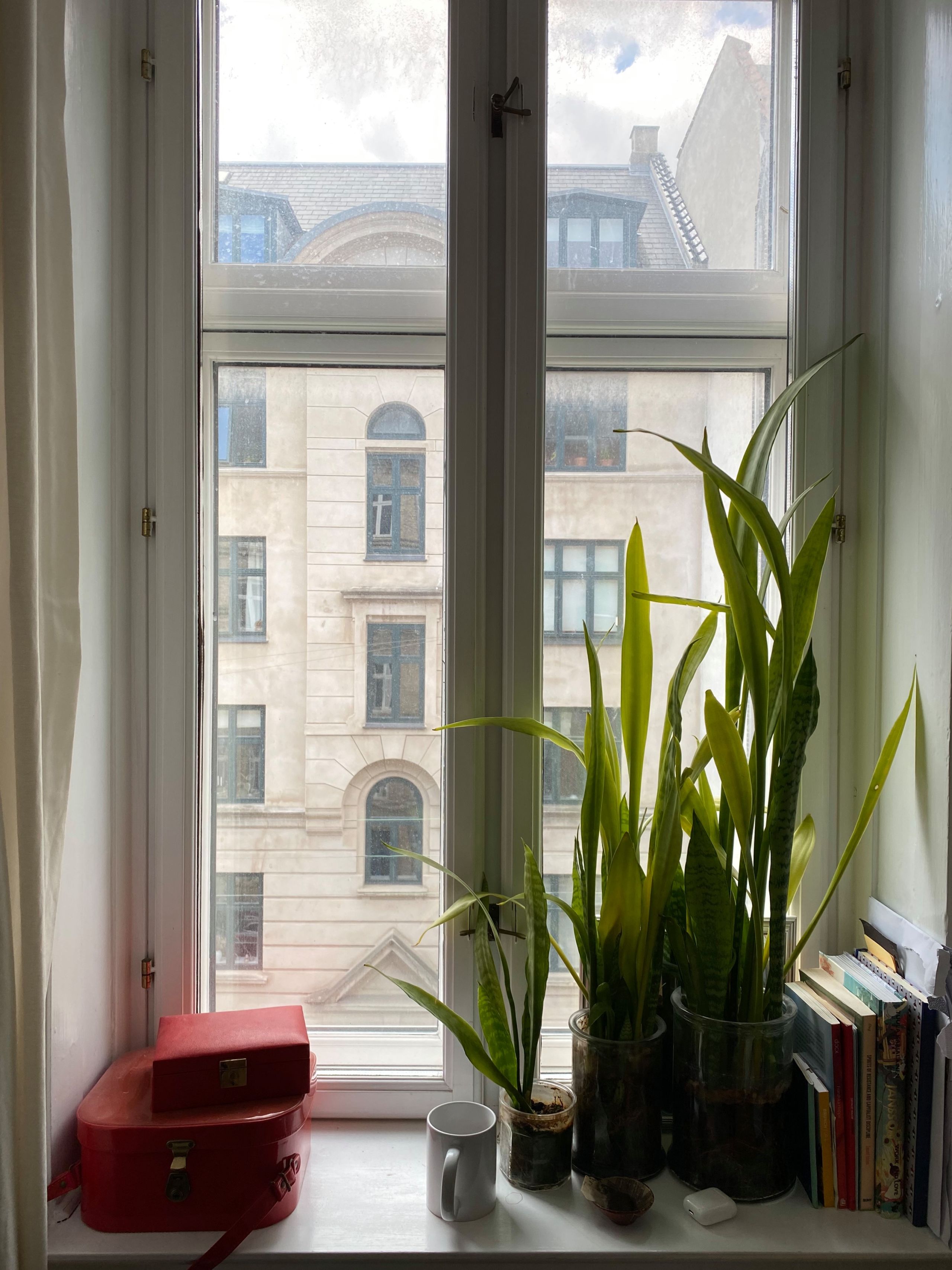

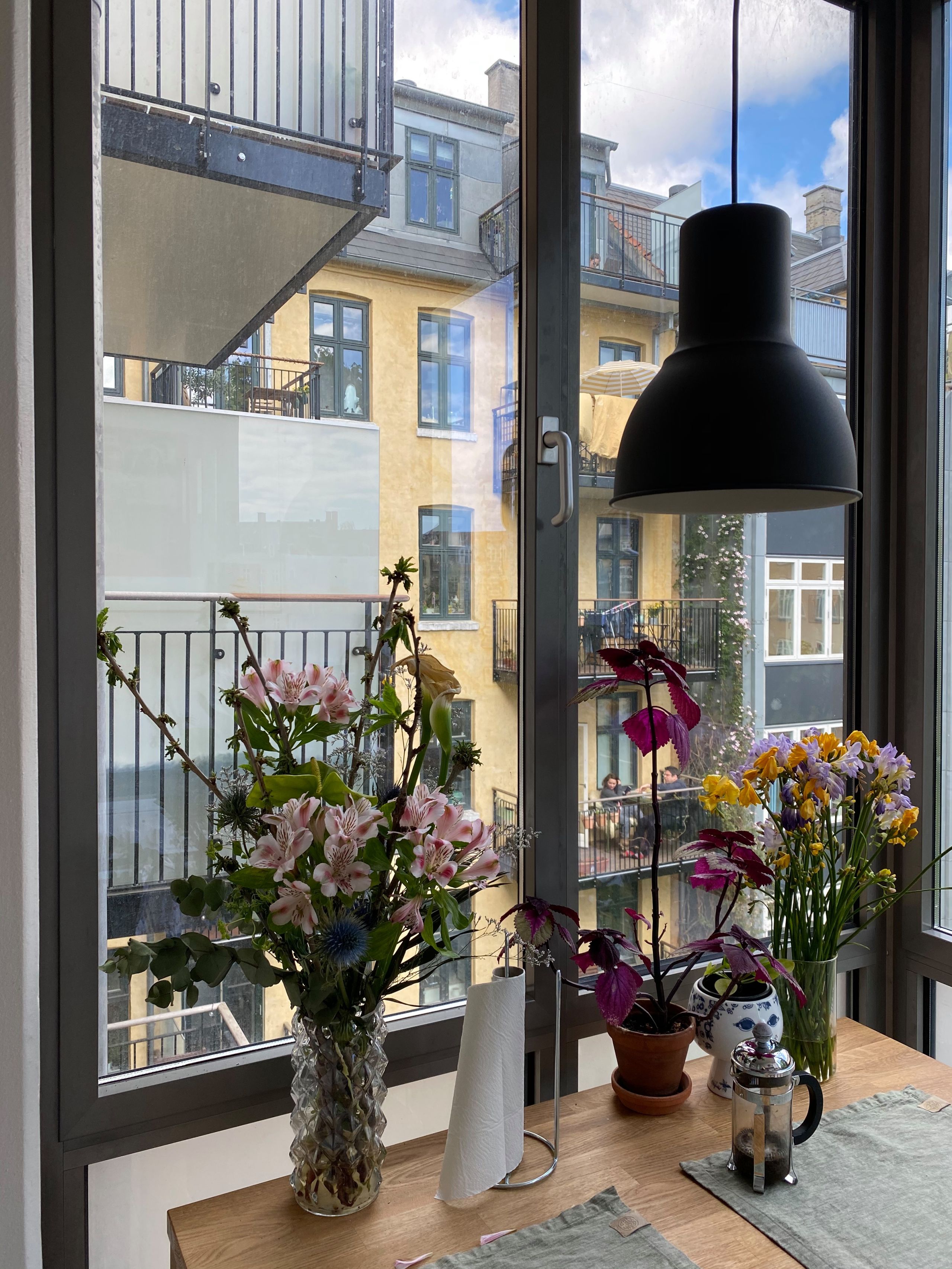


But she found other ways to remain connected to those she loves.
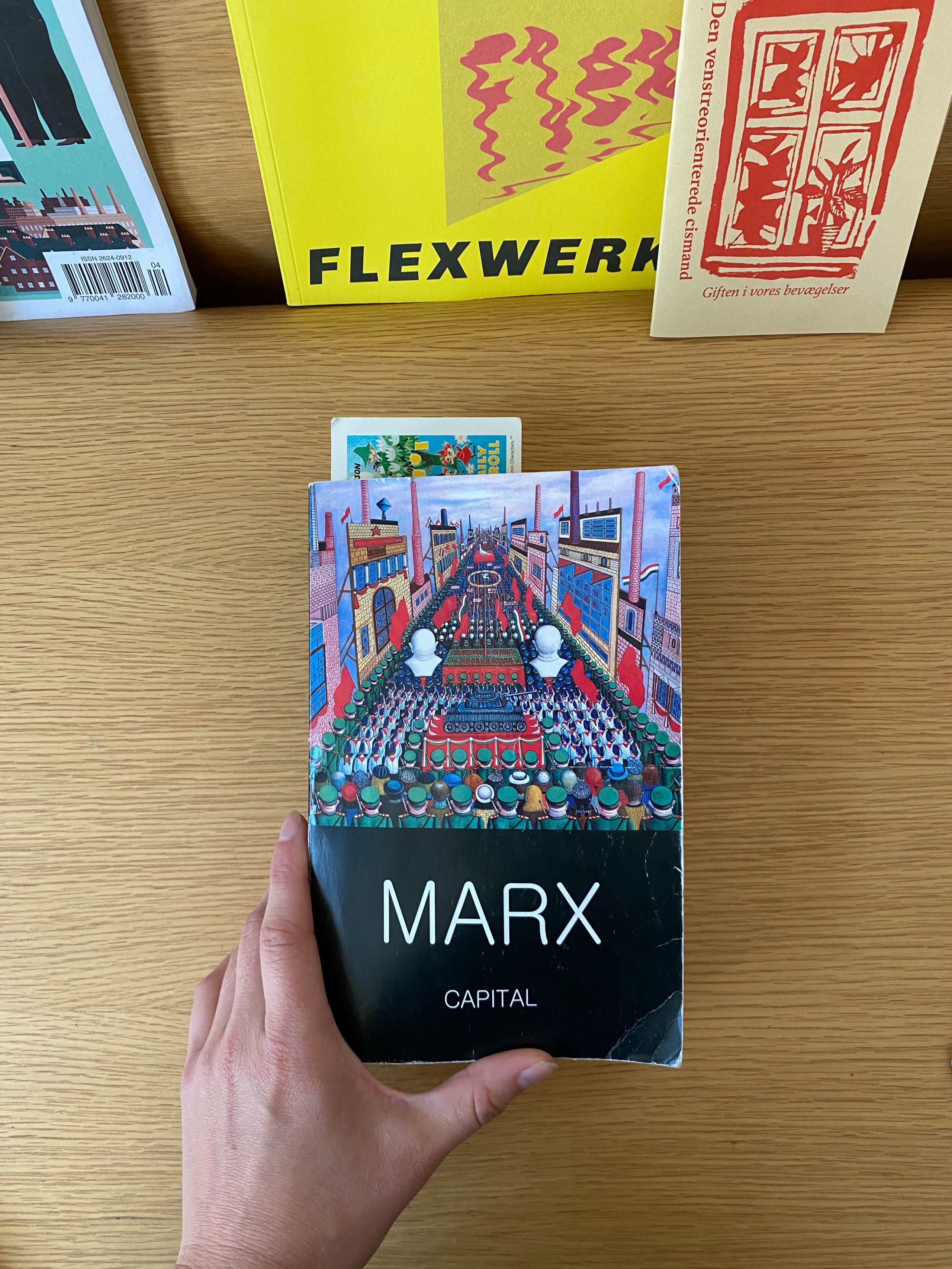
More recently, in a way only European intellectuals would, Lotte took to killing time by conducting a virtual reading group of Karl Marx’s dense critique of the political economy, Capital.
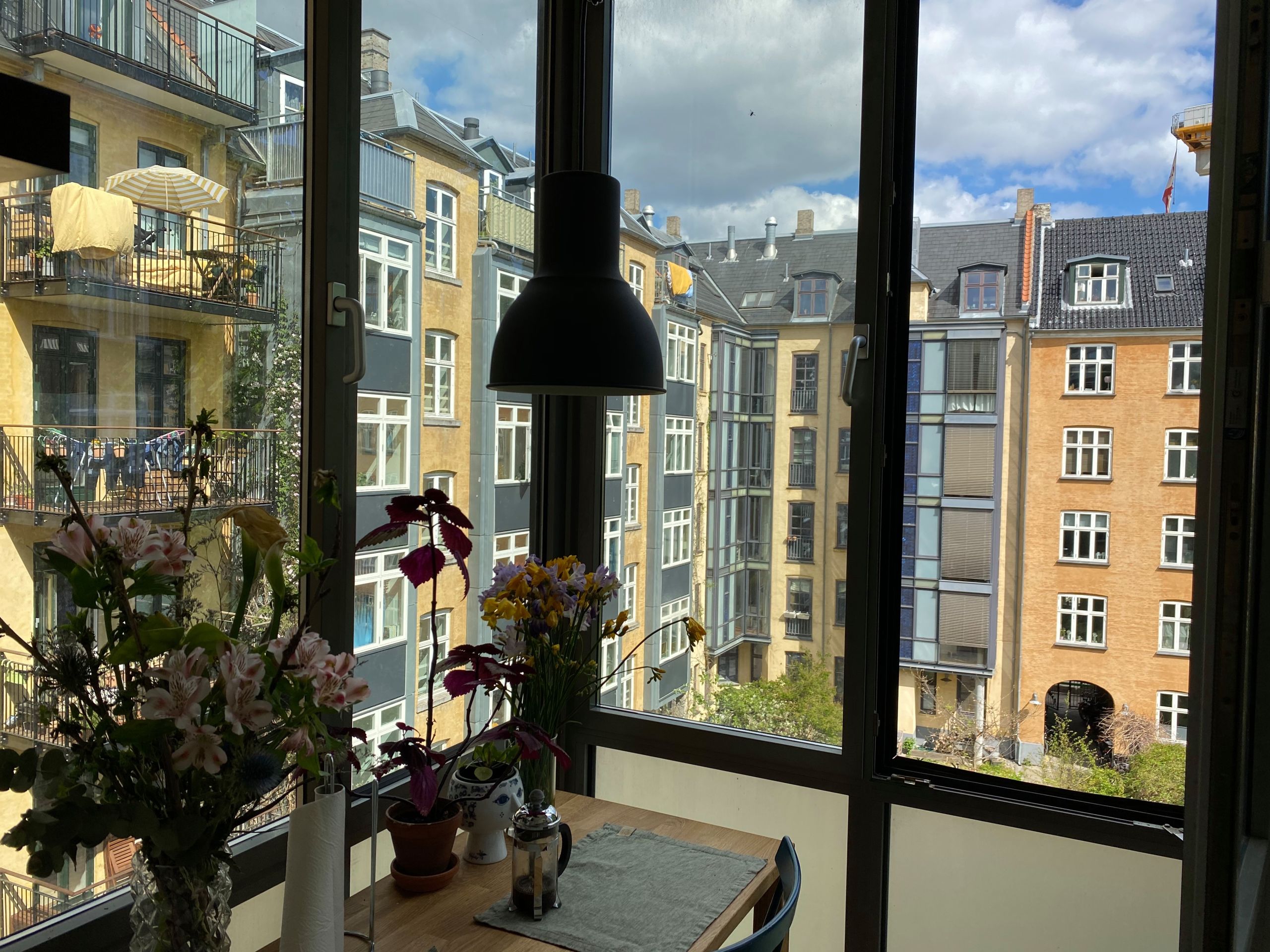
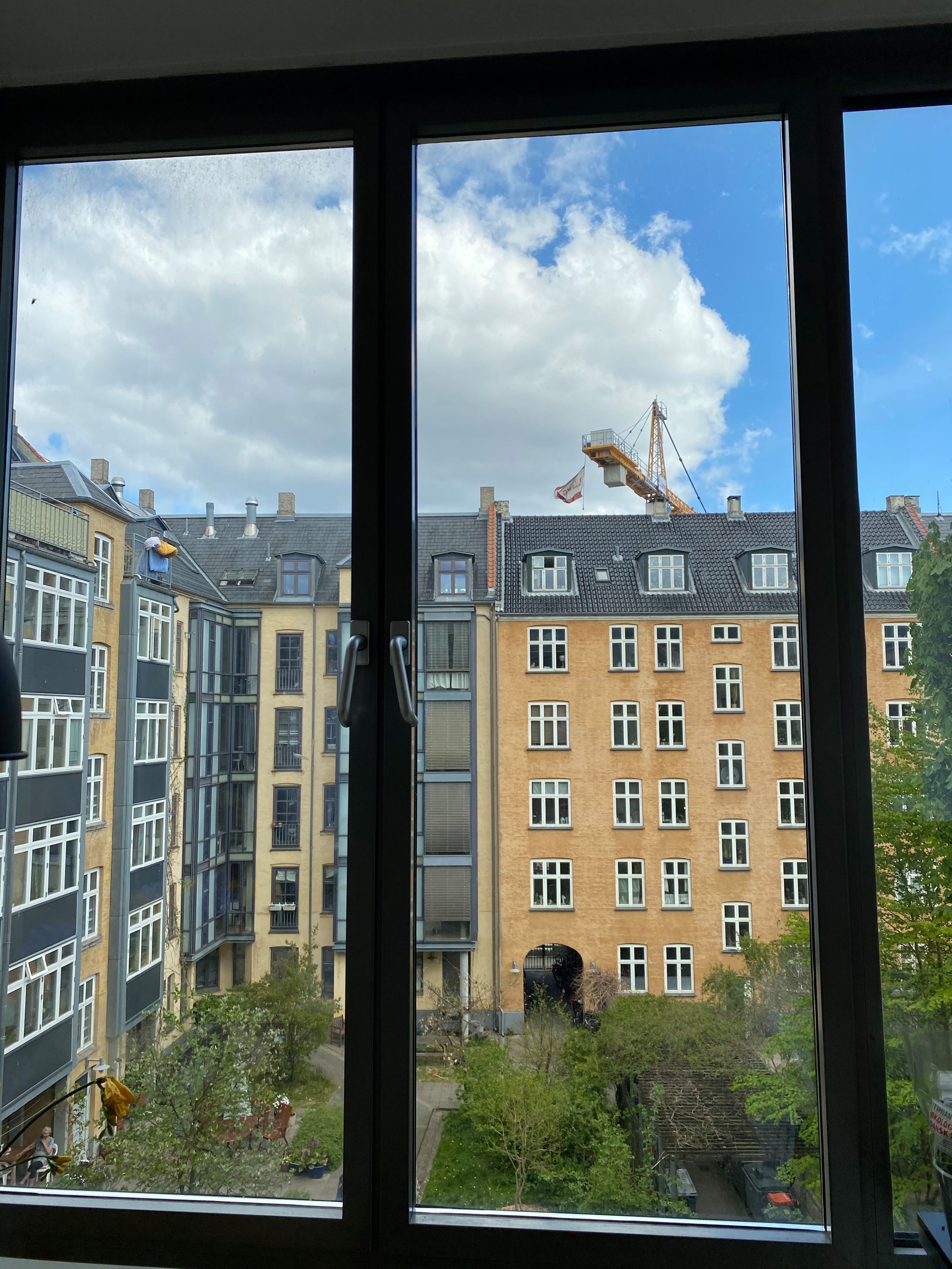
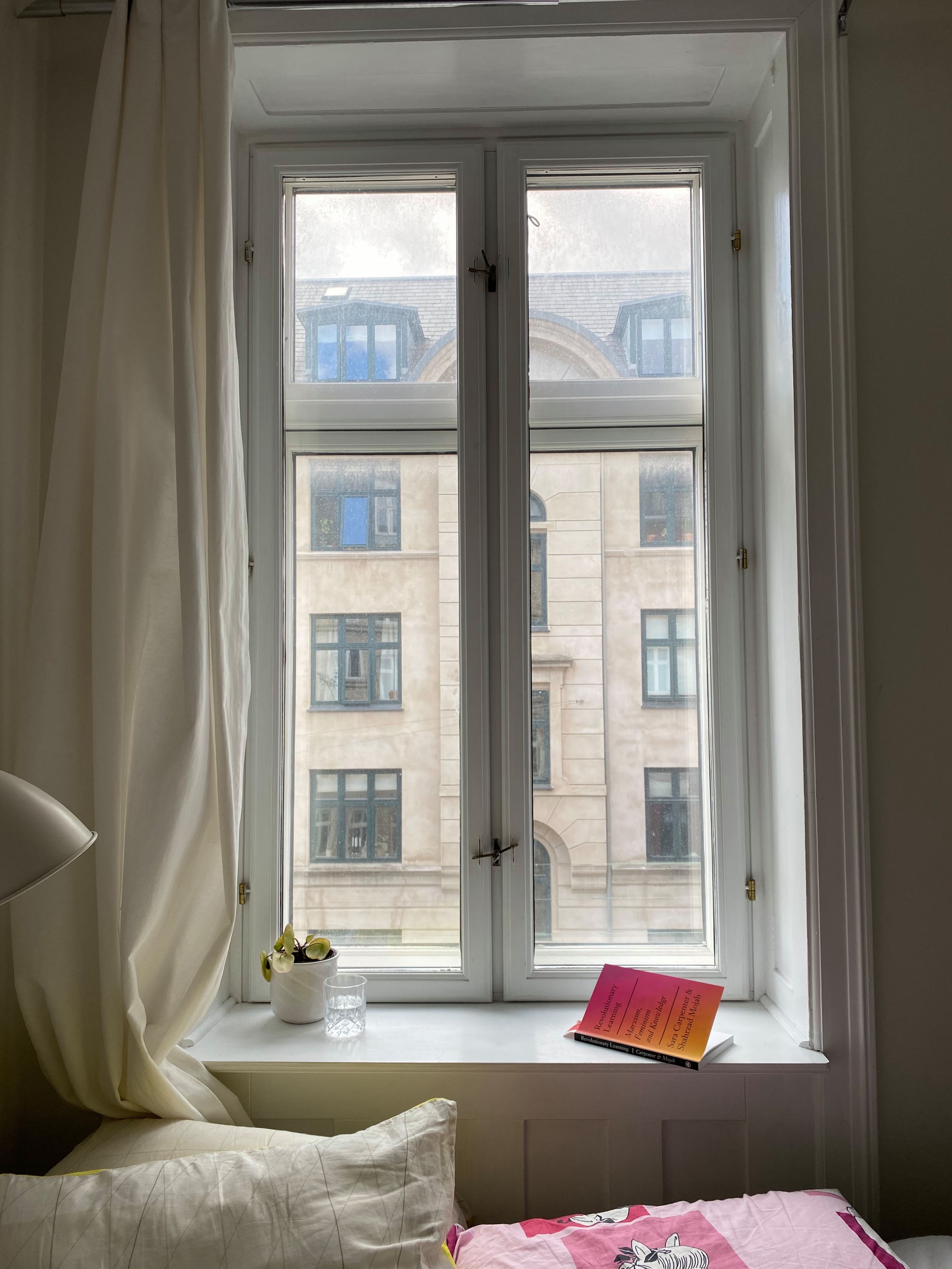
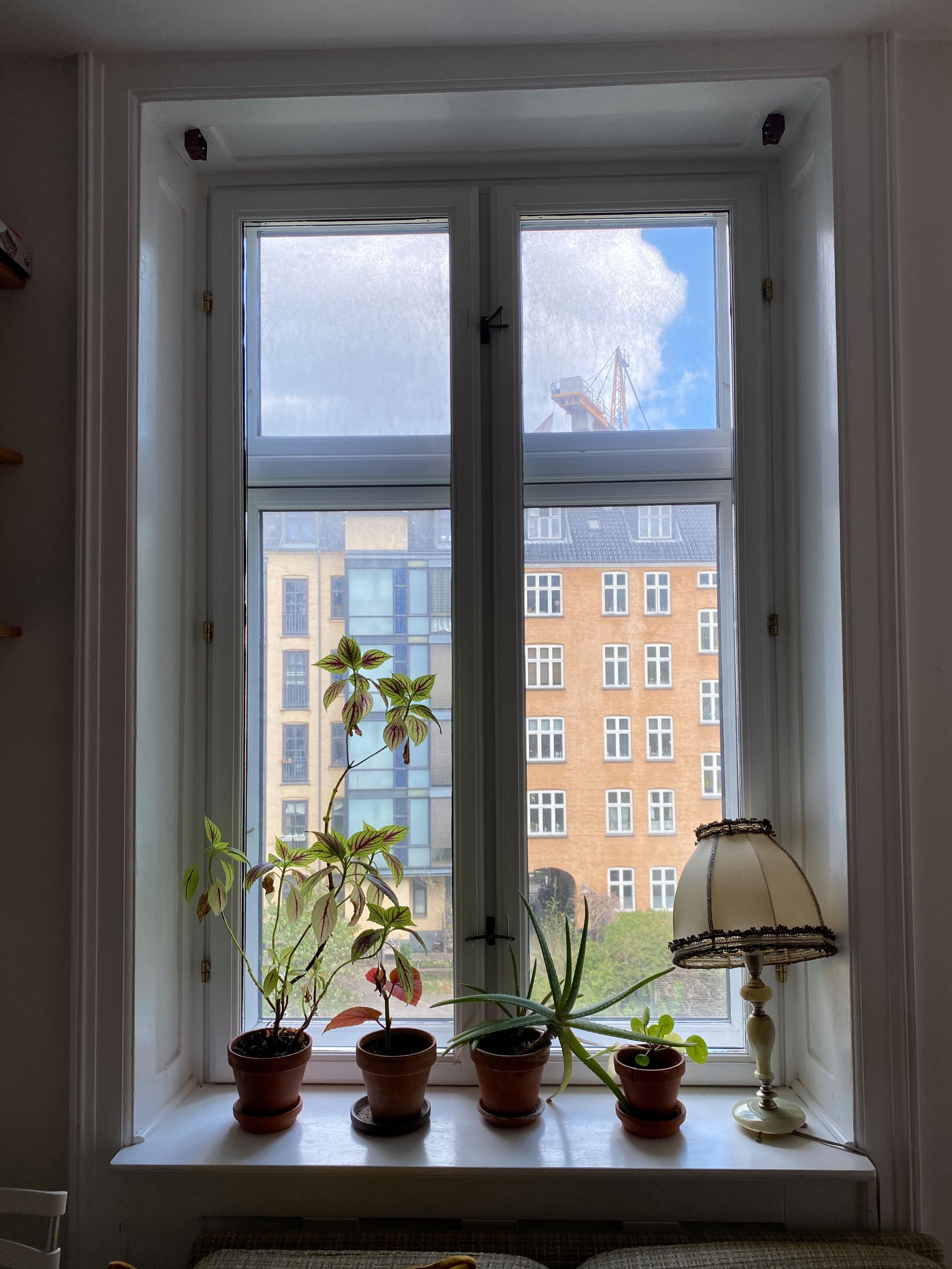
And her view, of a tightly packed square of flats, provided connection for Lotte to the outside world - albeit behind a layer of glass.
Lotte also found she was staying in touch with her international friends more than ever, despite the physical barrier, or possibly because of it.
There was a certain solidarity with the world and our collective struggle that was felt strongly by many in the beginning. A sense that we were all together, in this, all fighting the same fight.
Lotte joked about reading a news article that praised Spaniards bounding onto balconies to applaud health workers every night:
But she became more cynical as time wore on, and started thinking critically about her government's agenda, and the flickers of nationalism edging into Danish society.
The Danish government has started using a word which means ‘societal attitude’ to describe social cohesion of the nation.
This rhetoric has been strong in programs like Denmark Sings Together Apart, broadcasted on their national network, which has Danish musicians singing patriotic songs that people can sing along to in their homes.
Lotte saw this attitude at work in Danish society; in an eagerness to police 'poor behaviour', or in neighbours falling over each other to do the ‘right thing’.
Reflecting on this, Lotte mused over the newfound normality of the chaos this year has been - how the unbelievable can become mundane so easily.


Later this year, Lotte is meant to start a PhD abroad, but coronavirus has halted any sort of meaningful planning for the future.
Lotte has Zoom interviews for Universities lined up in Sweden and the Netherlands, but the very logistics of getting there are still up in the air. While the Dutch border isn’t closed to Denmark, the German border is, so driving to Amsterdam would be a challenging task.
It's almost impossible right now to plan for anything beyond what stage of lockdown we’re currently in, how many cases we have, where the transmission is occurring. But it's still important to dream of this stuff. At the end of April, what Lotte missed most was:
When I last spoke to Lotte, a week ago, the pubs had opened in Copenhagen - with restrictions in place. And she acted exactly as she had promised. “I was so excited that I kept ordering new beer before I finished the one I was drinking” Lotte laughed.
London, England

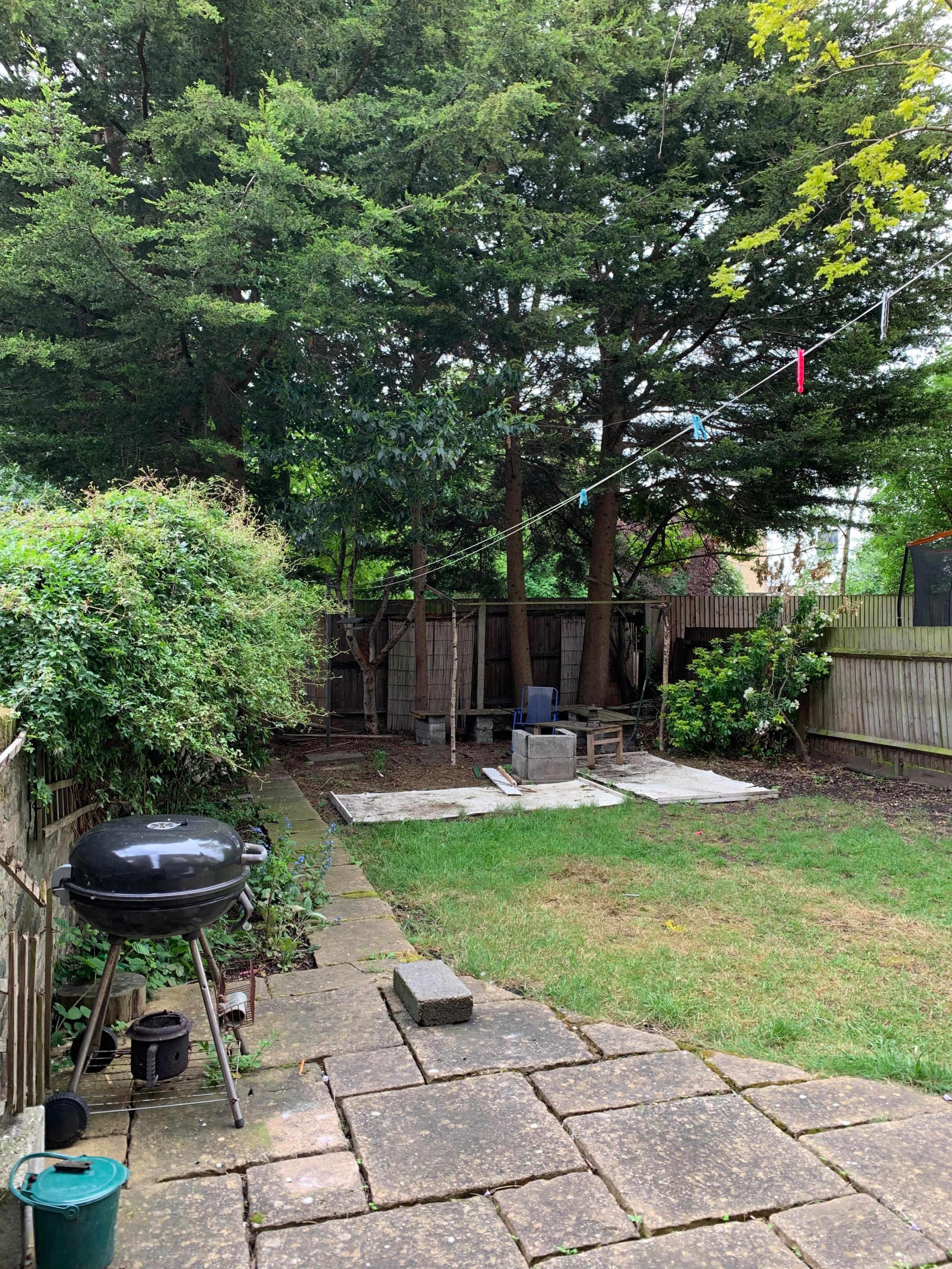

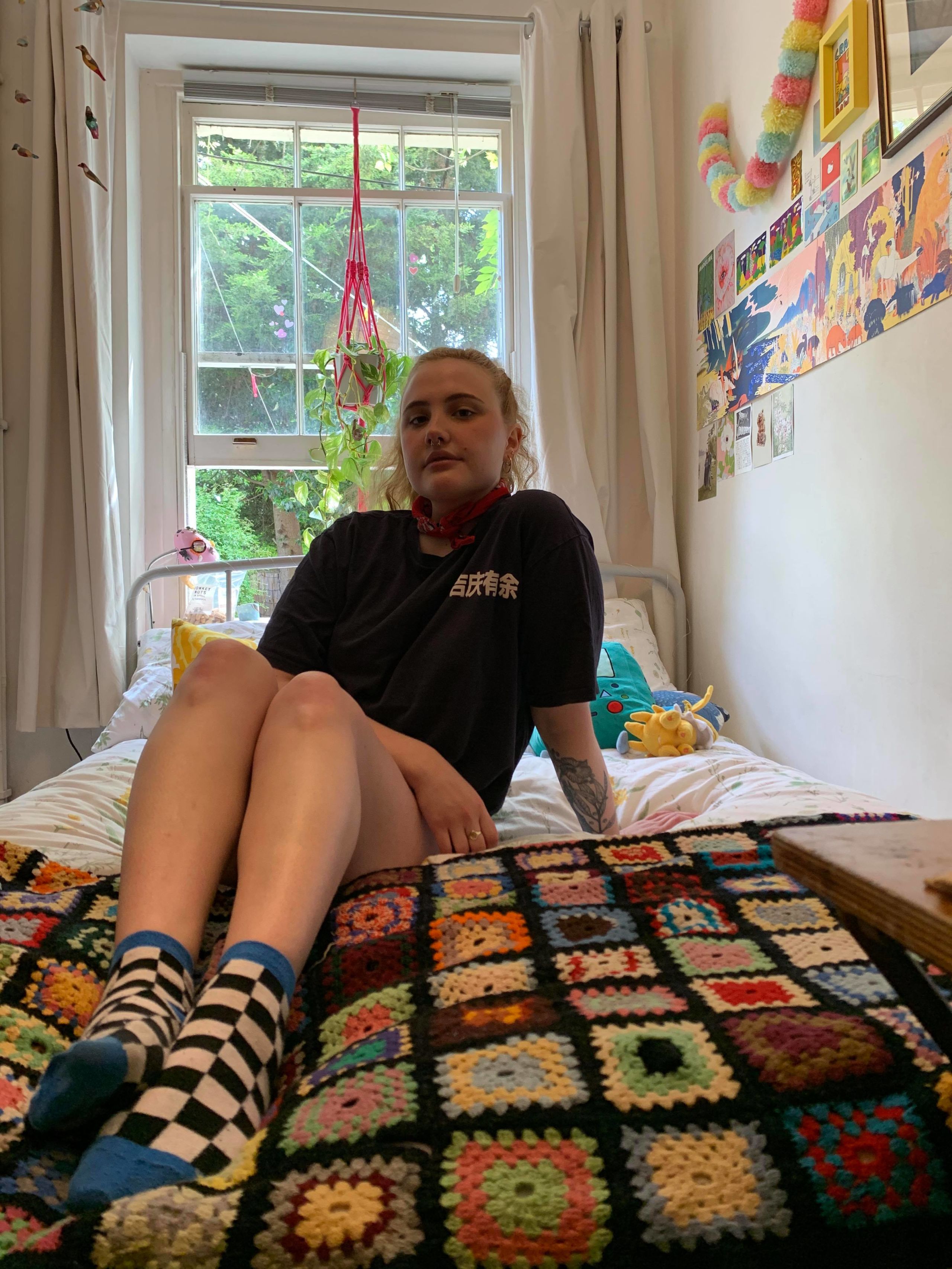
Madeline Dyer.
Madeline Dyer.
When I spoke to Madeline, it was evening in Melbourne and mid-morning in London. But the pace of life has been slow lately, and her day was just starting to unfurl, after a morning cigarette in the garden and a strong cup of coffee.
Madeline had been socially isolating in London for five weeks when we met over Skype. Before the lockdown happened, she had gotten a new job in events at the Barbican - but quickly started working from home when the threat of coronavirus became clear.
Then, when UK PM Boris Johnston hastily kicked into gear and announced a lockdown in late March, Madeline was put on furlough and began "going slightly stir crazy" in the house with nothing to do.
Madeline had been isolating in a four level flat she rents with three other housemates, but all except one rushed home over the pandemic to wait it out with family. With little company or connection to the outside world, she'd gotten pretty used to spending a lot of time in her bedroom.
She may lack chairs, but Madeline managed to stay relatively occupied making art, keeping in touch with her family and pretending she was at the pub with online trivia.
But getting paid to mull around was a source of great inner conflict. Madeline had friends working long hours as paramedics who had people cough directly into their faces on call, and felt both luck and guilt about her situation of relative safety and comfort.
Her biggest fear after the pandemic ends was the state of her still fresh job.
Would she still have her job at the end of all this? How would she fit back in to the swing of things when her position was still relatively new and unstable?
But she found it frustrating, too, to see how divided London had become, just like Lotte described, so ridden with anxiety and tension, of people monitoring, surveying one another.
"When people freak out" she chuckled, "it's so weird".
Perhaps the lockdown started to go to people's heads - because Madeline's once quiet neighbourhood became particularly raucous with pent up energy.
Her terrace flat overlooked several units, and her and her roommate took to listening in on the local quarrels and bickering of her neighbours, or avoiding them.
In one particularly bizarre turn of events, Madeline's over zealous housemate became tied up as a witness in a police case after unwittingly being party to a difficult neighbour's hysterics with another local resident.
Tensions were high in London, but Madeline tried to laugh it off most of the time. She's still a partial outsider to the British ways - having migrated from Australia five years ago - and there remains a certain detachment and otherness to the way the English operate.

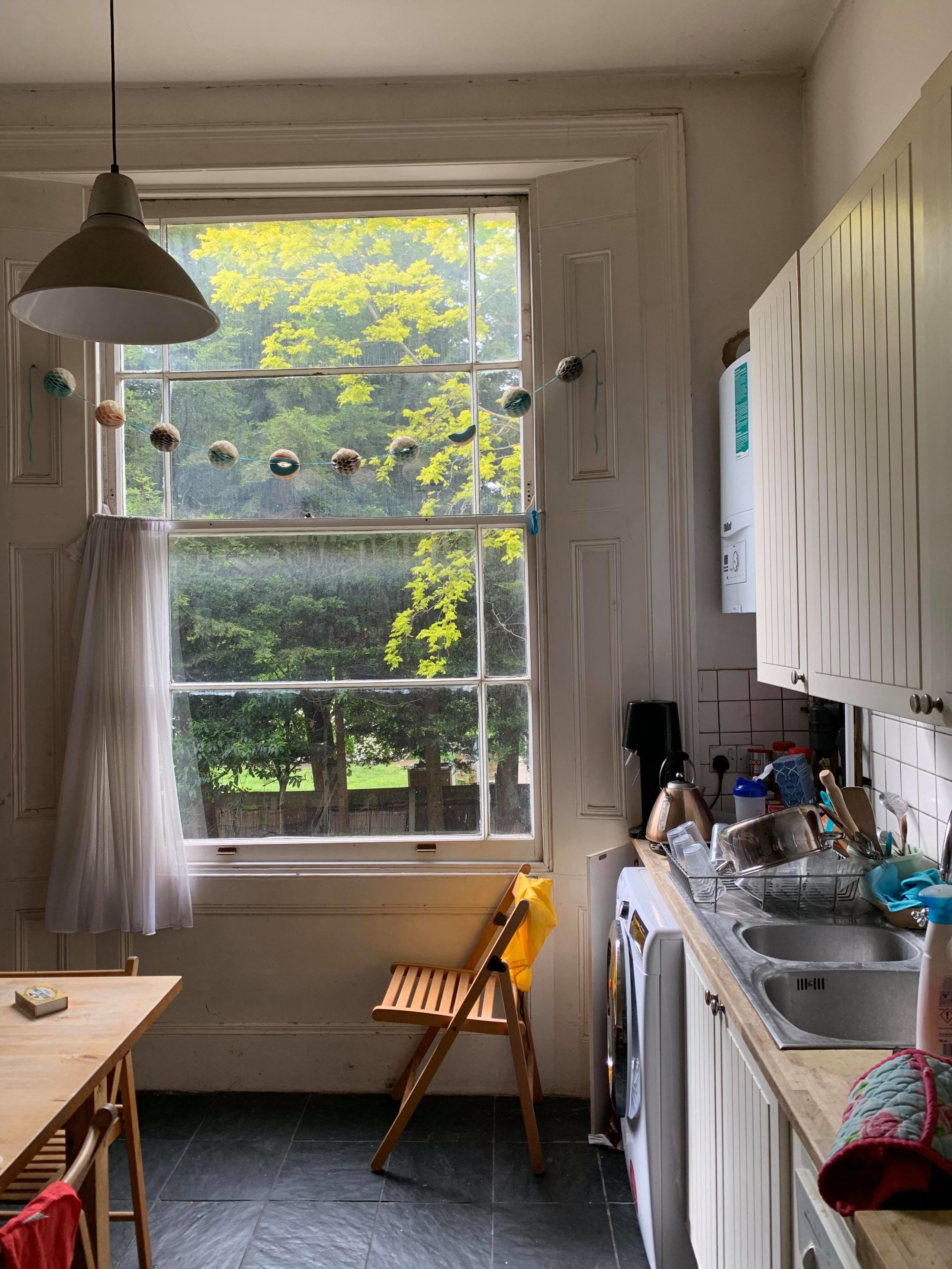

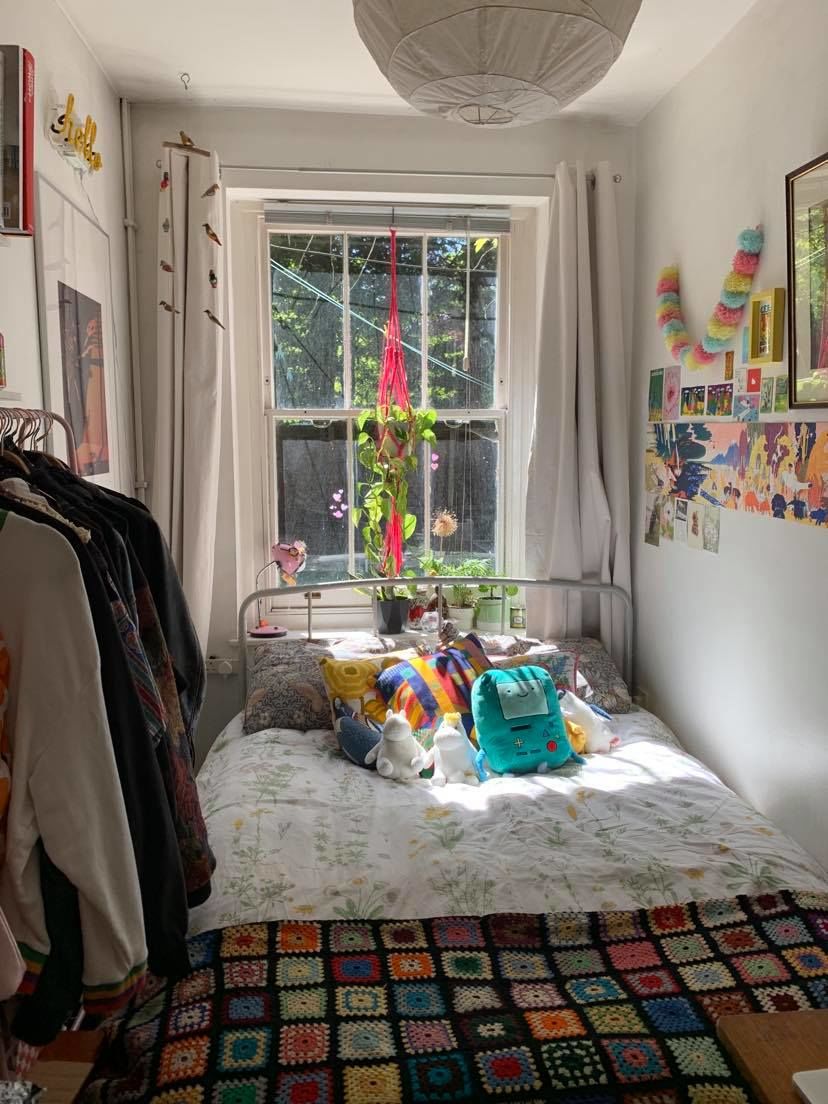

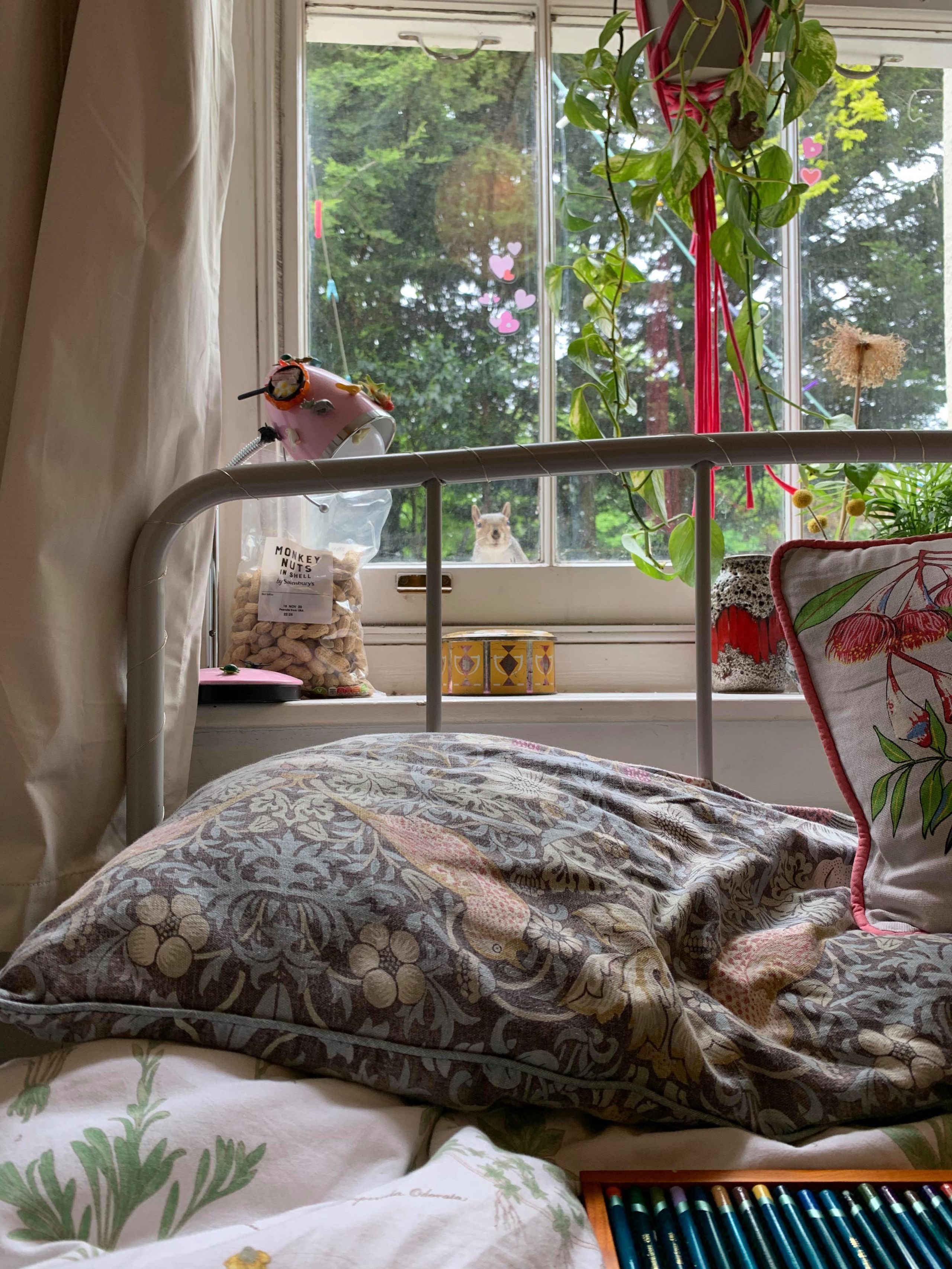
Madeline might've been stuck indoors most of the day, but she decided to "embrace her view" and the little, poignant interactions with the outside world it unlocked.
"I like my view," she told me, "I have a window to a garden".
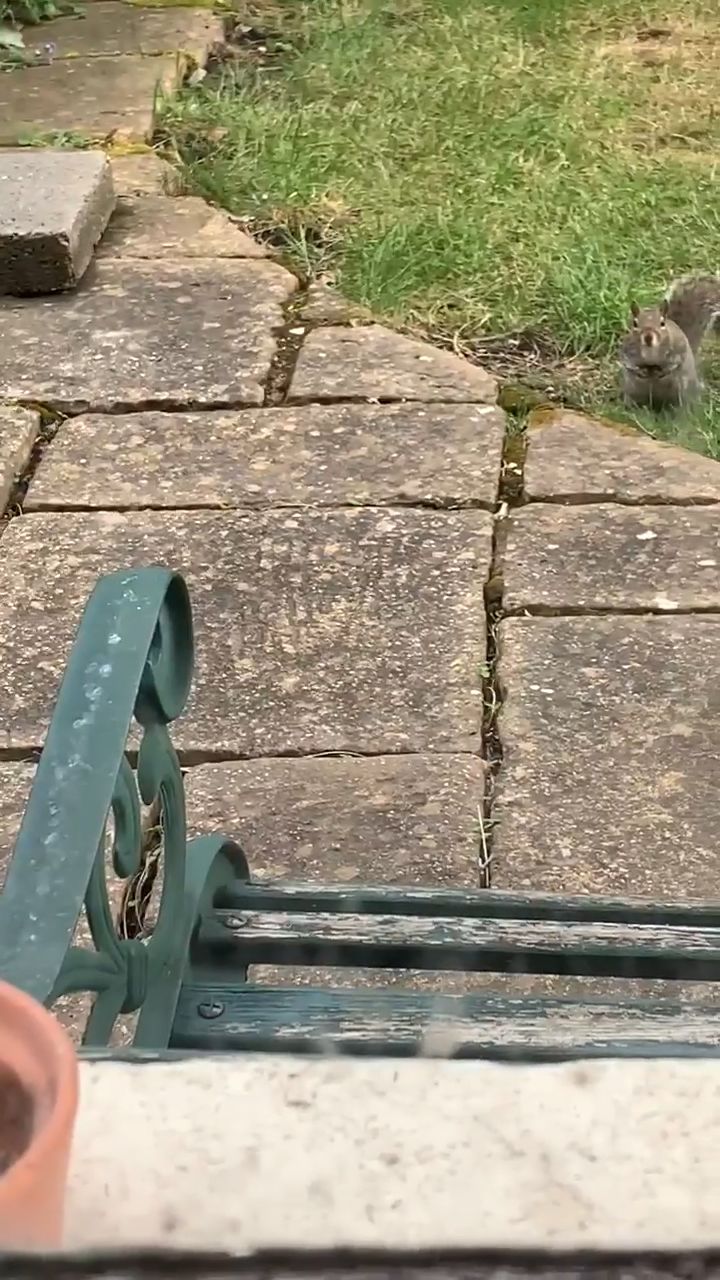
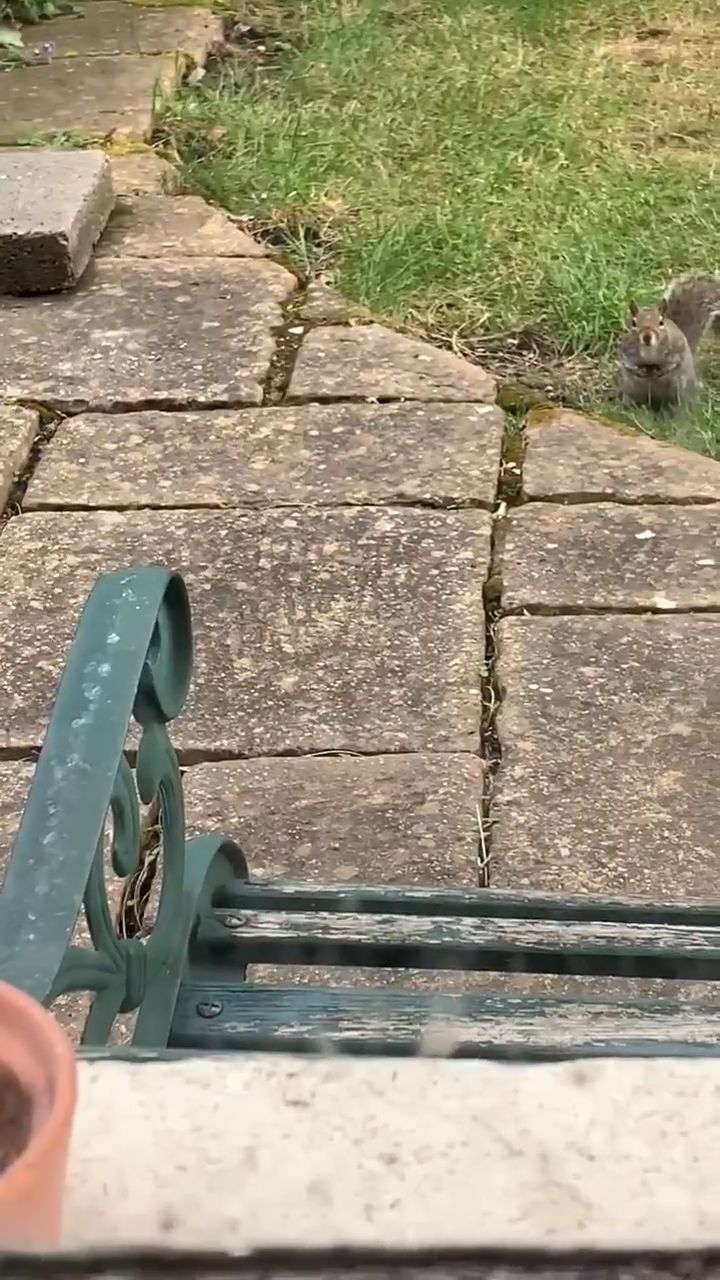
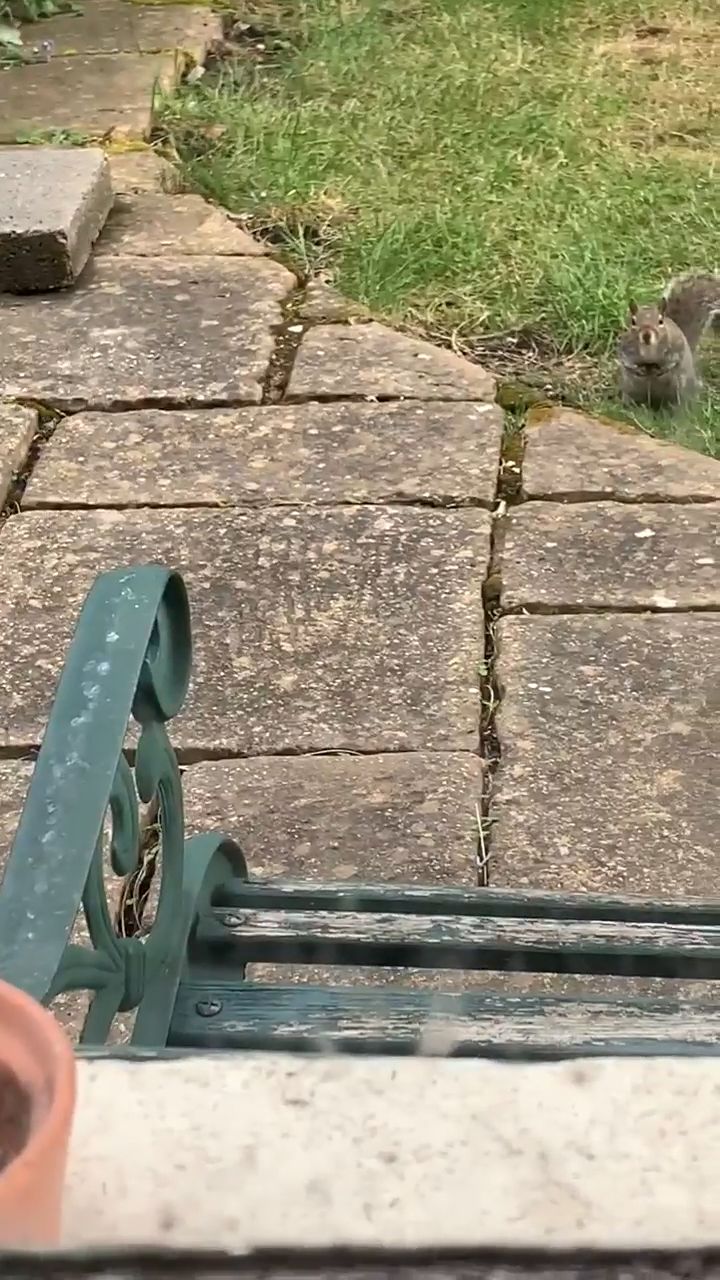
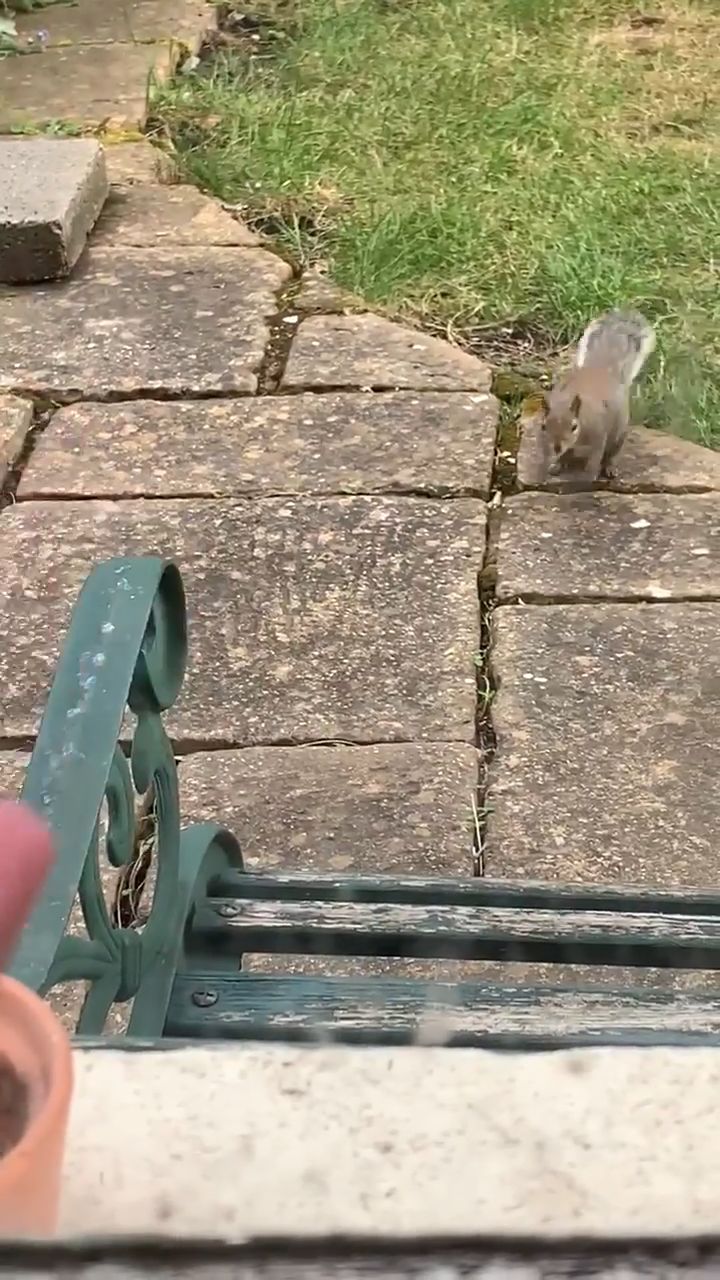
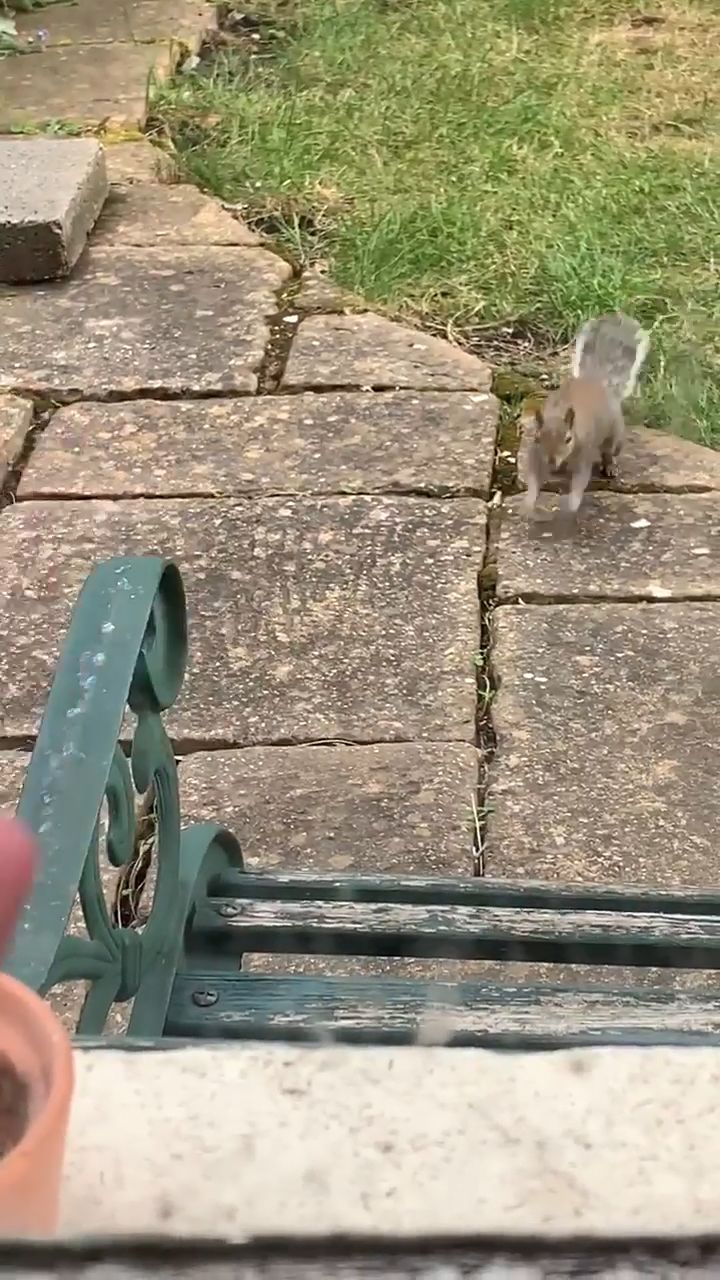
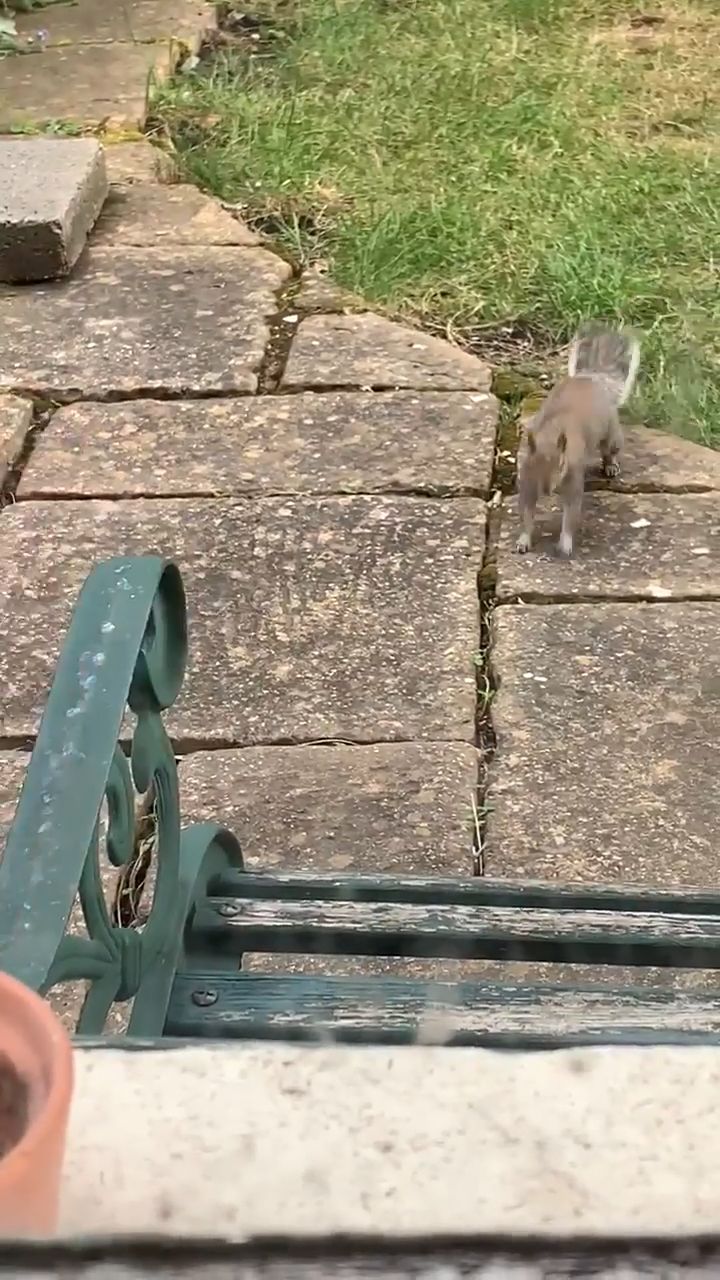
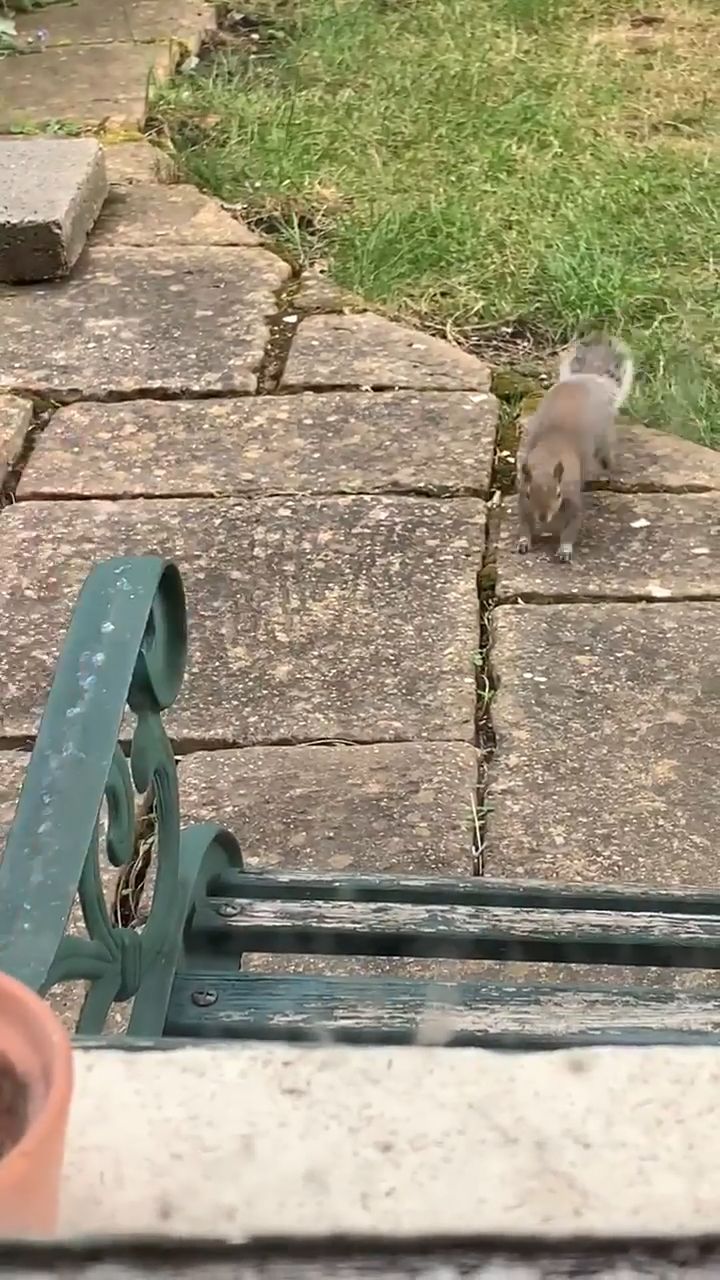
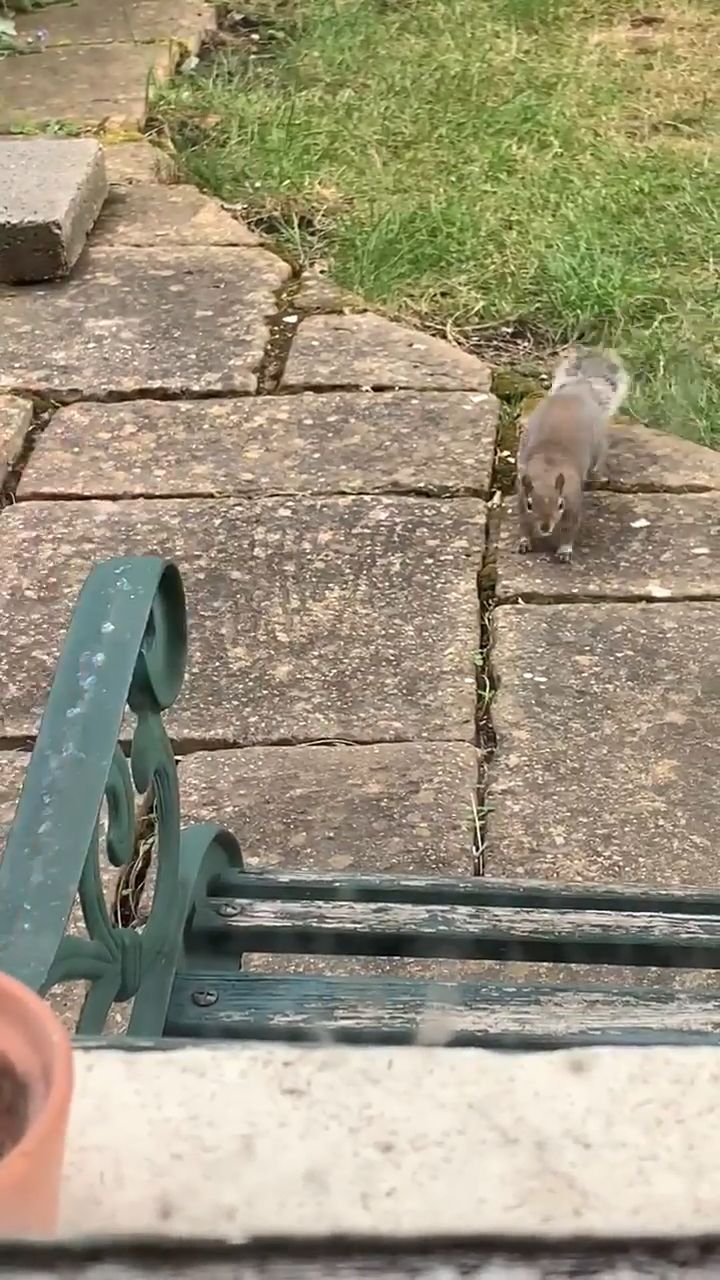
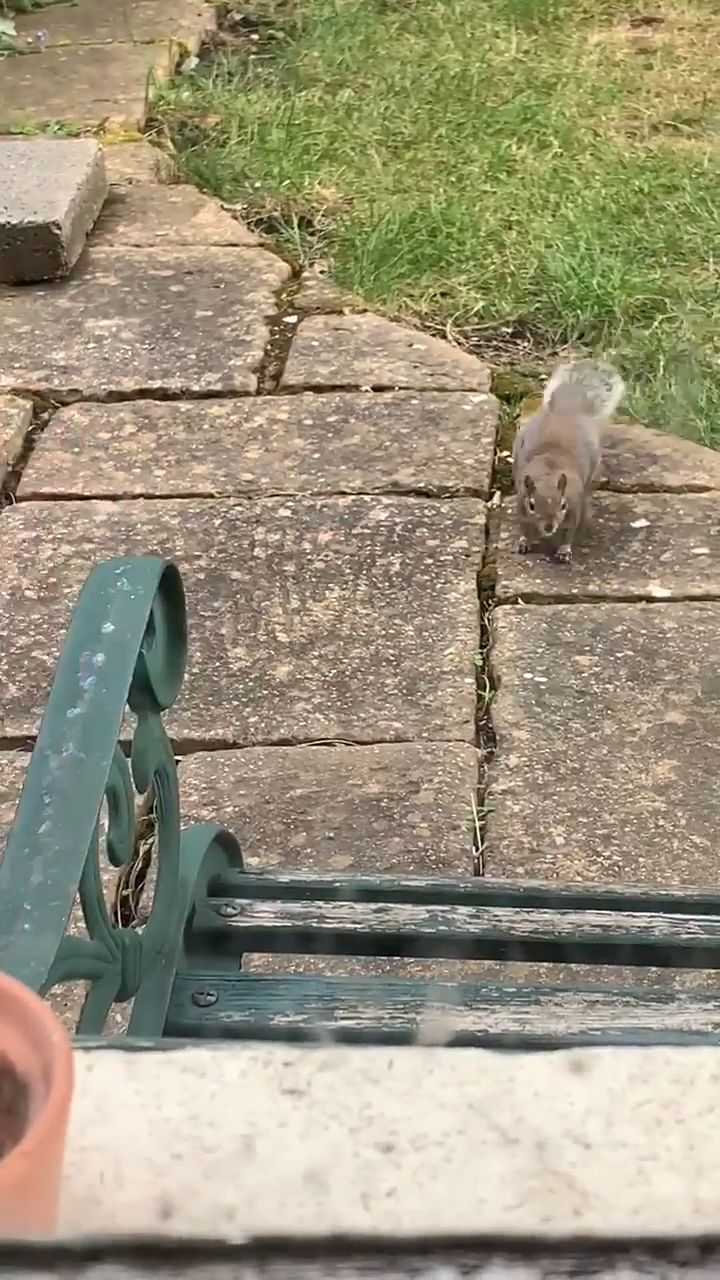
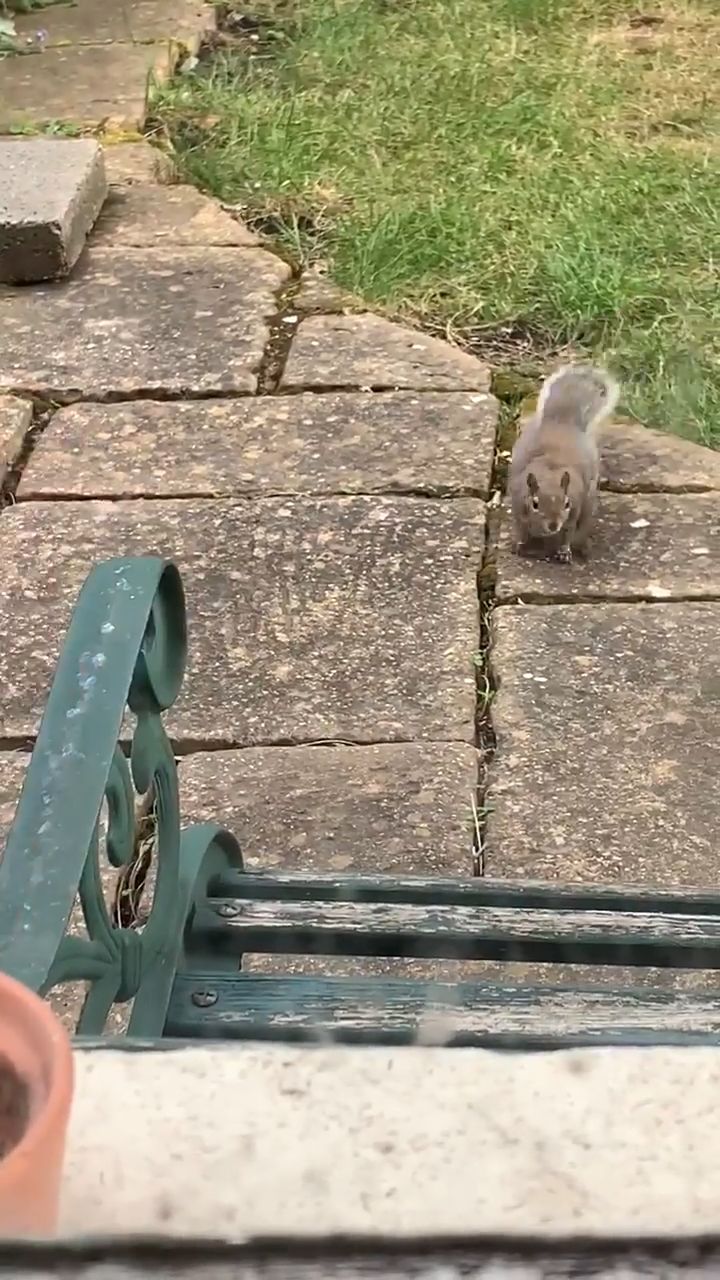
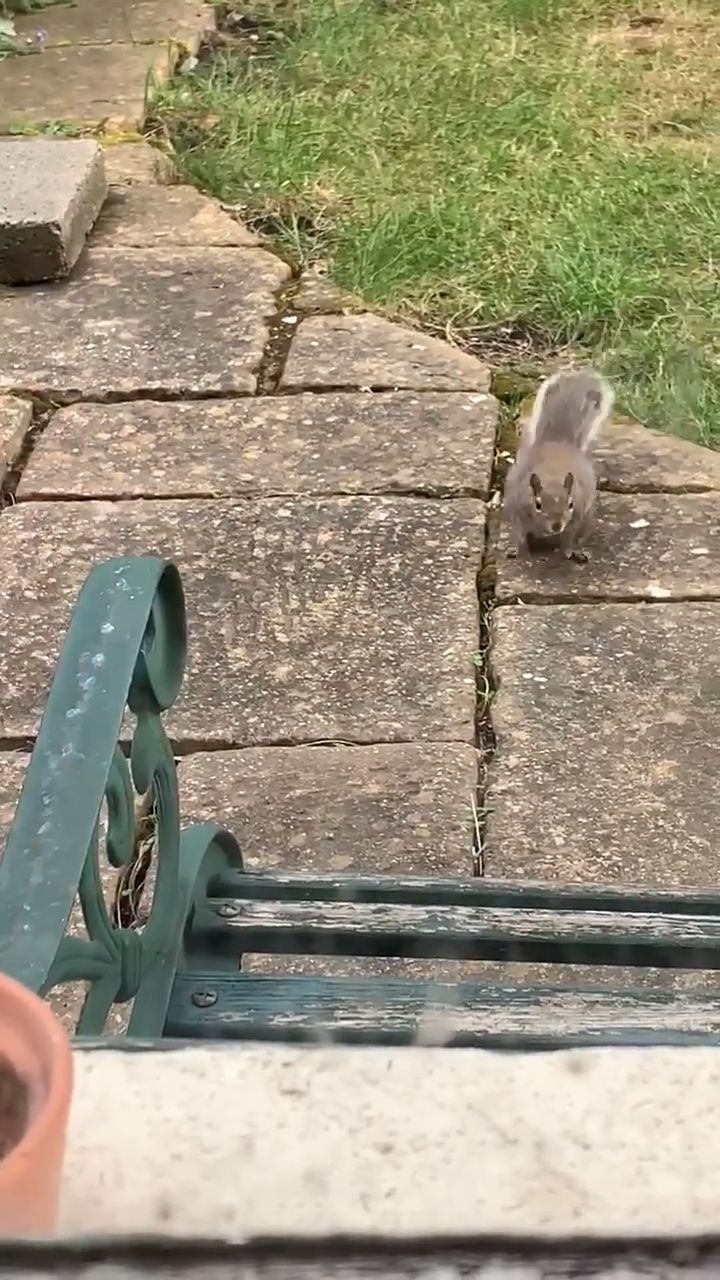
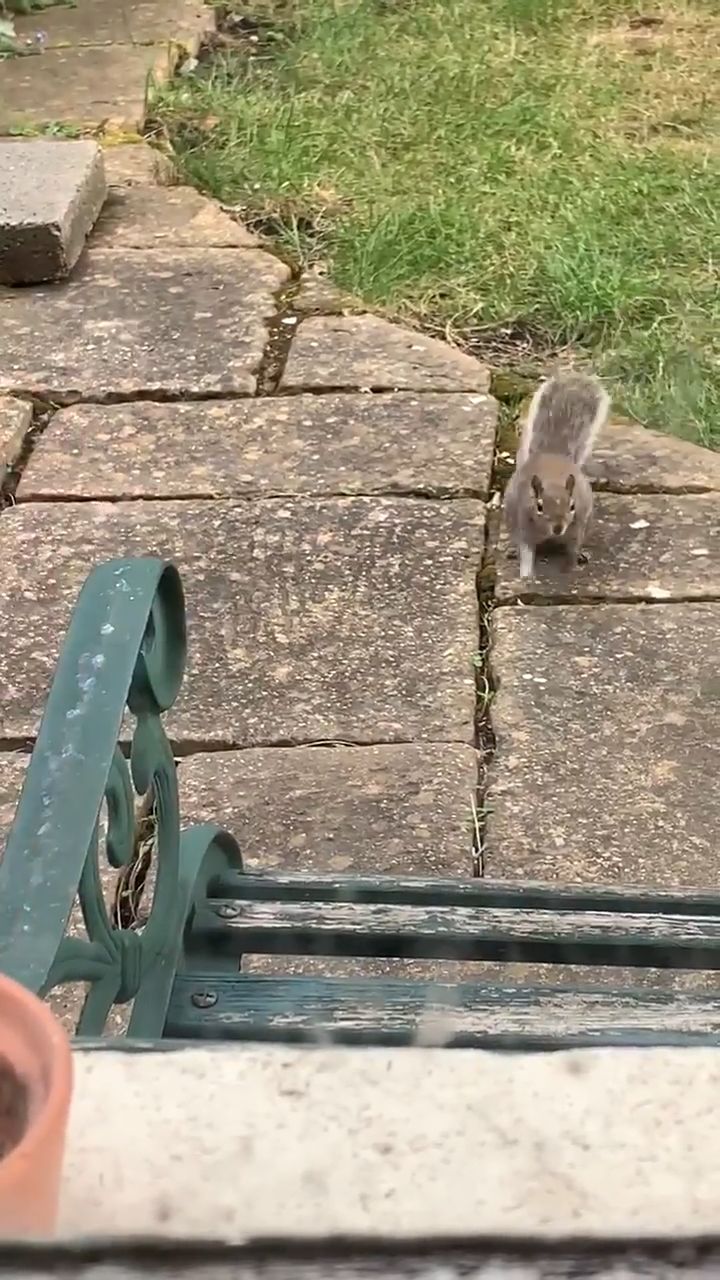
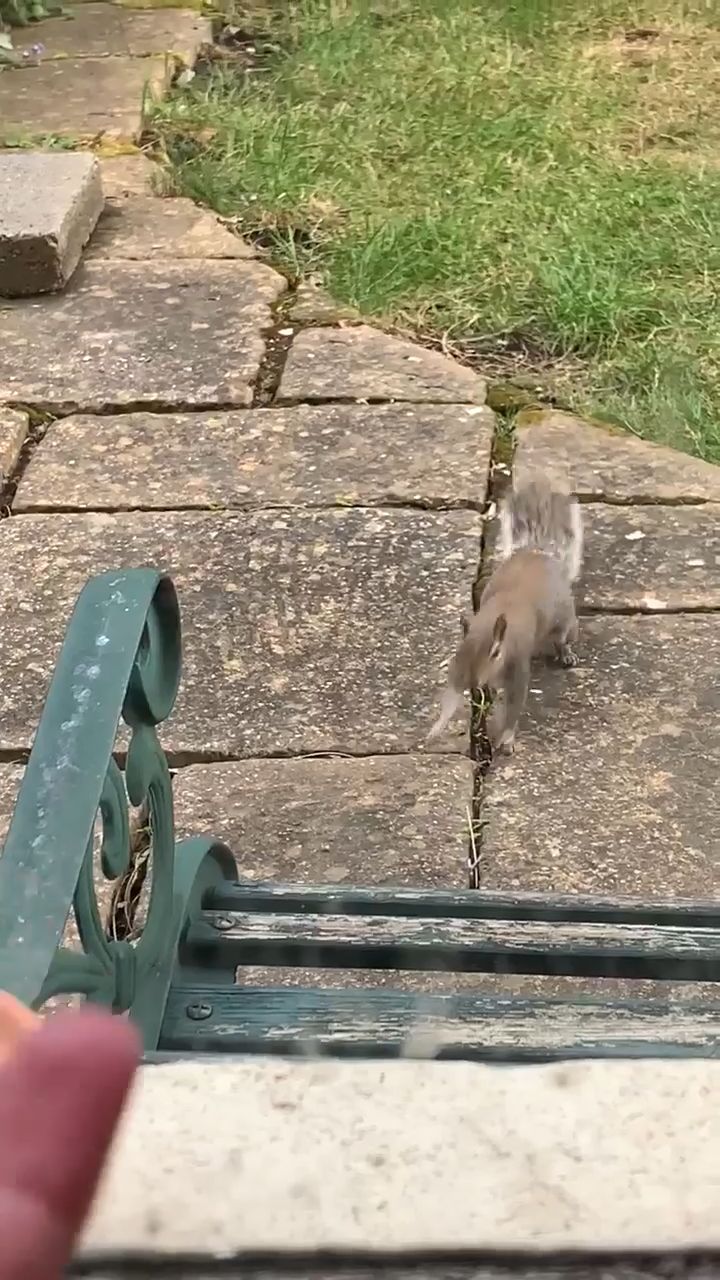
The garden also brought Madeline a furry friend, that she took to feeding from her window each day. And the certain ritual of feeding time held solace.
Befriending the squirrel was one attempt by Madeline to find comfort and closeness in an increasingly fragile world.
It's something we've all been looking for, in our own various ways.
Some find it in walks, others in baking bread, or tending to a garden. For Madeline, she found it with animals.
"Something thats really noticeable to me right now is my desperation to hug an animal" she said.
"I really wish I had a pet."
The lack of physical contact was starting to get to Madeline.
When I asked her what she had missed most over the pandemic, she told me it was:
Simply going out with friends - something once so banal, so regular - is a thrill Australians are only just starting to adjust to, huddled in our houses together, unsure of whether to hug, to touch, feeling our way through social interactions again.
Madeline and I spoke when London was still taking its first tentative steps into spring, but it's nearly proper English summer now, her once favourite time of the year.
When we spoke, she still had high hopes for the prospect of an end to the pandemic by the time the weather turned.
But as the coronavirus death toll in England has now surpassed 40,000, and as the curve is only just beginning to plateau, it has become clear this summer won't be the same as others, in London or across the world.
But Madeline will keep feeding her newfound squirrel friend, and giggling at the bickering neighbours, and getting by, until it's safe to return to the world.



























 Built with Shorthand