
"A massive slap in the face"
Australia's paid parental leave scheme leaves both mums and dads behind — just in different ways
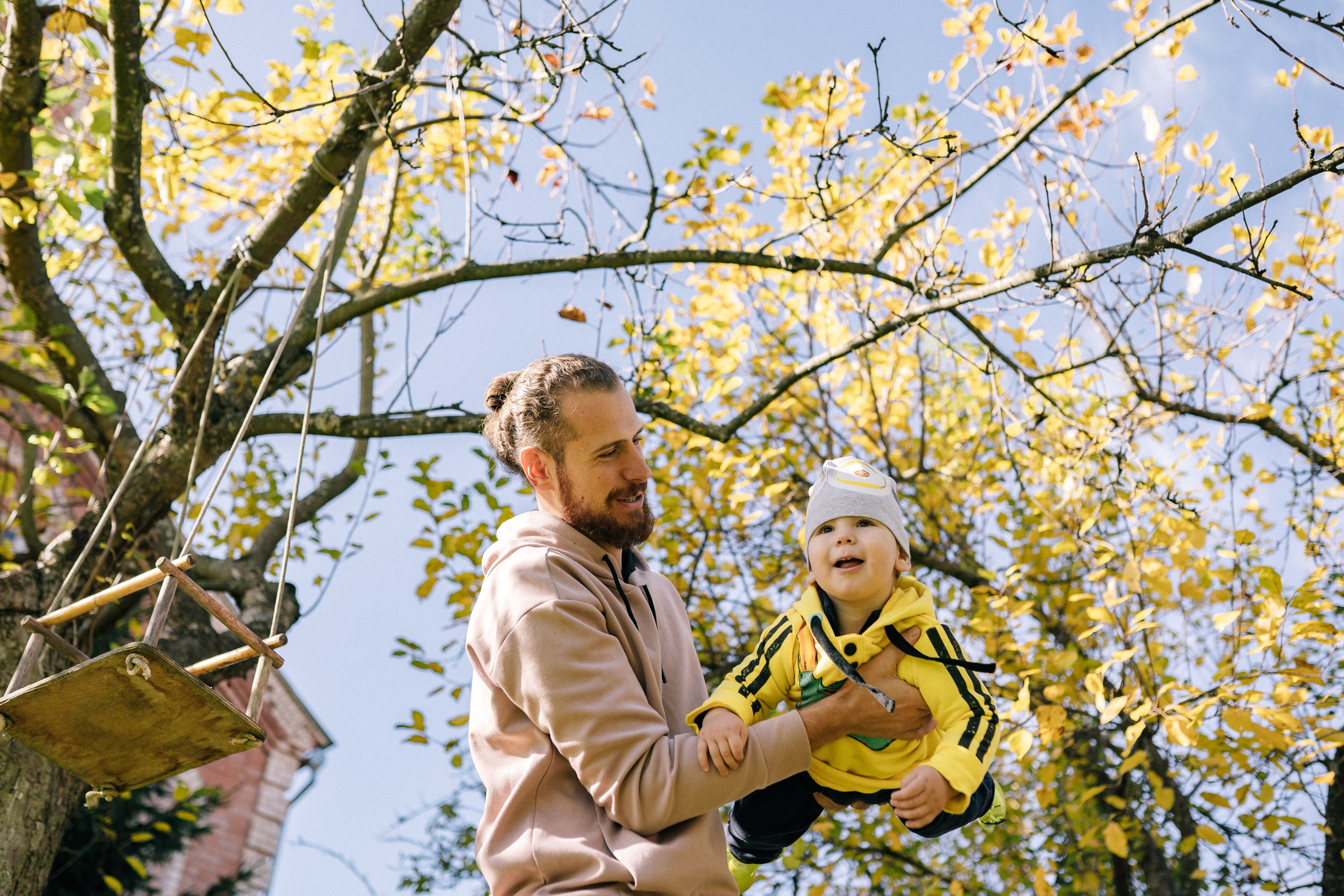

Six weeks paid leave for both parents, a bonus two weeks if both parents use the leave in full, plus 12 weeks to share between them — 26 weeks in total.
This is the recommendation to the Australian Government laid out in a recent report by The Grattan Institute calling for a gender equal parental leave scheme.
Currently, Australia’s Parental Leave Pay provides up to 18 weeks financial support for the primary carer of a new child, and two weeks for an additional parent under Dad and Partner Pay.
It’s a policy that often results in mothers as the dominant carer, setting conditions that drive a wedge between new parents by propelling economic and social inequalities for mums and dads respectively.
A by-product of Victorian lockdowns is the extended time families have spent at home together.
How did the pandemic affect care in the home?


Grattan Institute Senior Associate Owain Emslie said more time at home over the course of the pandemic has given families a taste of what a more equitable parental leave scheme could be like.
“I've spoken to a lot of parents of young children, particularly fathers, who said in the normal course of events, ‘I would have taken my two or three weeks leave, and gone back to the office’,” Mr Emslie said.
“Working from home of course you're trying to work and juggle things, but actually being around, [fathers] are saying, ‘it’s such a great experience that I wouldn't have had otherwise’.”
Listen to dad Sean's experience of the pandemic in lockdown with his baby boy.
The gender split in paid and unpaid work in Australia is one of the highest in the developed world.
On average, men do two hours extra paid work and women do two hours extra unpaid work.
Both have seen an uptick in unpaid care work.
Mr Emslie said it’s too early to tell if these care habits will stick.
“Certainly, I think there's a good possibility, particularly for families that have had young children at this time,” he said.
“Another observation that was made is that a lot of people will have a bit more appreciation for the primary carer role, having seen it in action instead of something that happens while you're off at work”.
“But it is really hard to know what's going to happen.”
Mum Kate says her family got more time at home together because of lockdowns.
So, where are we now — and how does Australia’s parental leave offering stack up against other countries?

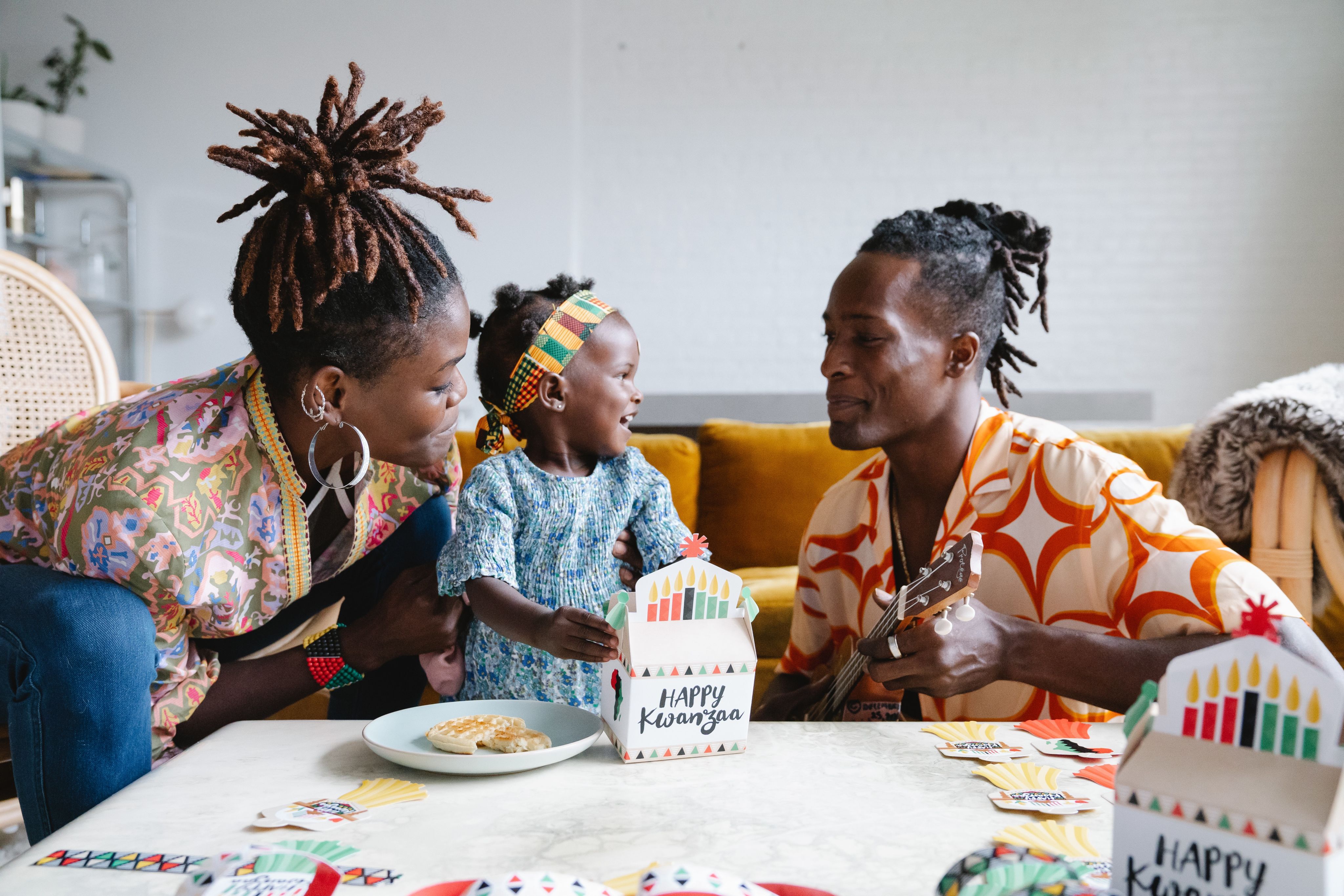
Australia invests 2.4 billion in paid parental leave each year — one of the lowest spends among developed countries.
Mr Emslie said Australia’s current policy does not reflect progressive attitudes held by newer generations of parents.
“This is something that surveys show that men in particular are attracted to having more access to more parental leave, it's a differentiator for employers to have more generous parental leave schemes and it's something that there's an appetite for,” he said.
Dad Sean says he's luckier than some fathers — and Australia's current parental leave scheme is a slap in the face to dads.
Our current scheme targets dads with the ‘Dad and Partner Pay’ — but some parents say the benefits aren’t enticing and it’s difficult to apply for.
“[Australia] started well behind on parental leave, we were one of the last developed countries to have a government parental leave scheme at all,” Mr Emslie said.
“We're still trailing the rest of the world as far as the length and pay rate, and in particular, the extent to which we encourage both parents to be involved in parental leave and caring.”
Mum Kate says she would've liked her husband to be able to stay home longer after the birth of their son.
What would a gender equal parental leave scheme mean for Australian families?


On average there is a two million dollar lifetime earnings gap between men and women with children in Australia.
Research suggests the gap between men without children and women without children is small, but this gap becomes a “gulf” once children are in the picture.
“That's a lot to do with women dropping out of the workforce and often coming back but only working part time,” Mr Emslie said.
Other factors contributing to the gap include a lack of childcare options, expense of childcare, social attitudes around care, and the disincentives women often face to increase their work hours when children are young.
Mr Emslie said a parental leave policy that encourages a more equal sharing of care can make a difference.
“One of the many impacts that it has is it can free the mothers up to return to the workforce and work more hours than they otherwise might have,” he said.
Mum Danielle says her and her husband are a team and parental leave shouldn't be "either-or".
And it's not just economic benefits to be gained by implementing a gender balanced parental leave scheme.
“What we found really exciting is the social impact of these policies in countries where more men have taken more parental leave, the positive effects for the fathers, for the mothers and for the children,” Mr Emslie said.
“Fathers report higher life satisfaction and work satisfaction, mothers report higher relationship satisfaction — there was an Icelandic study that showed where men take parental leave, they're more likely to still be together 15 years later”.
“Children do a lot better through having ... a diversity of influences in the early years, so involving both parents if they can leads to better cognitive development, emotional development and better relationships”.
“It’s a win-win situation.”
For further reading or to view the data cited in this article firsthand visit: www.grattan.edu.au/report/womens-work/ and www.grattan.edu.au/report/dad-days/
Ellie Mitchell is a journalist based in Naarm (Melbourne).
 Built with Shorthand